Projects

Research programs spanning devices, networks, and communities.

These projects reflect the laboratory’s work across resilience, reliability, distributed energy resources, real-time simulation, cybersecurity, digital twins, and intelligent energy management.

Current projects

Active research and technology development.

The current portfolio emphasizes experimental platforms, grid modernization, and translation of research into deployable tools.

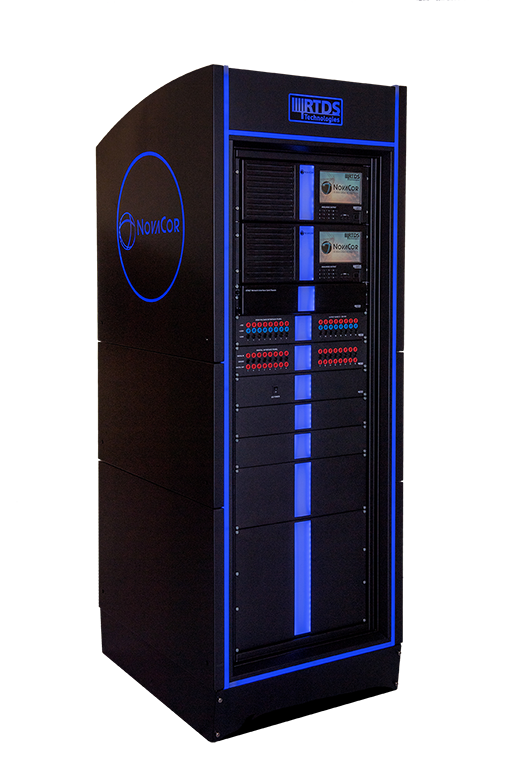
RTDS NovaCor real-time digital simulator
Active · NSF MRI · 2024–2027

Acquisition of an Interactive and Multi-functional Real-Time Simulator for Smart Power and Energy Systems

PI: Mohammed Ben-IdrisMichigan State University

The project is building a large-scale cyber-physical energy systems testbed for multidisciplinary research, education, and training. The platform supports multi-timeframe simulation, cyber-attack detection and mitigation, resilient communications, and hardware-in-the-loop studies.
Dynamic line rating and transmission-grid digital twin
Active · U.S. DOE · 2026–2028

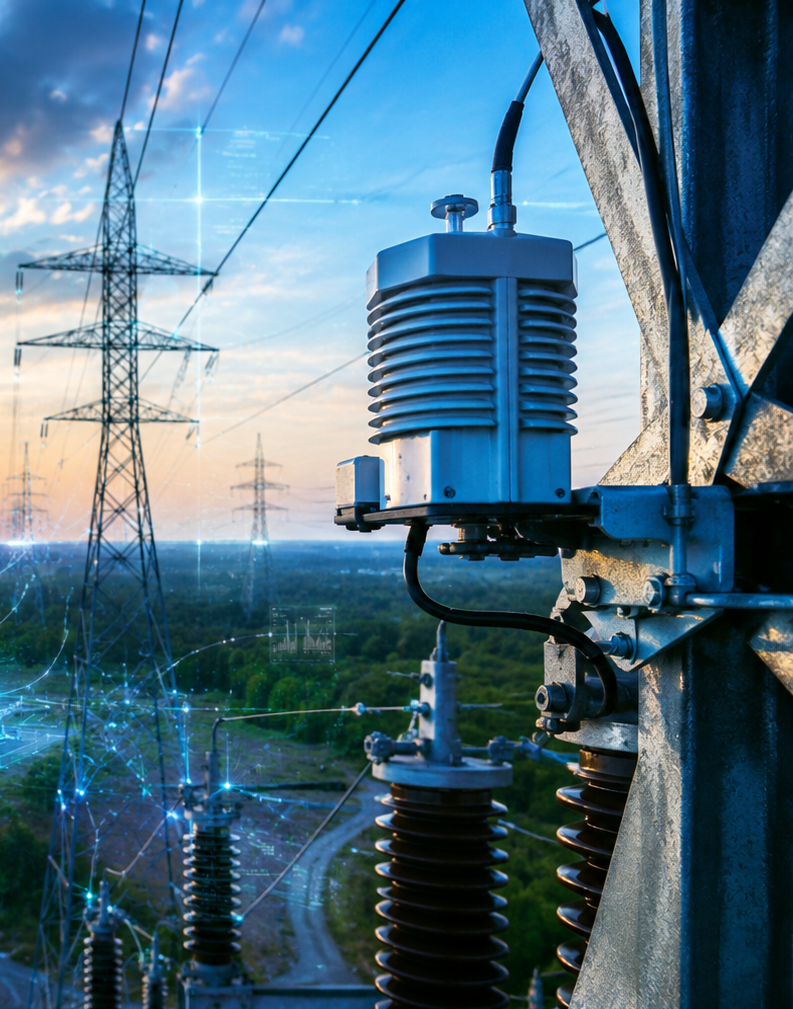
Direct and Indirect Contact DLR Technologies and Digital Twins

MSUNV EnergyUNR

This project demonstrates dynamic line rating technologies and digital twins to increase transmission capacity, reduce congestion, strengthen data analytics and cybersecurity, introduce new sensors, and facilitate renewable-energy integration without reconductoring.

Smart breaker and protection technologies
Active · MSU Foundation · 2024–2027

Secure Smart Breaker System

ADVANCEFellowship VentureMTRAC

This project is developing a smart breaker system with advanced monitoring and control capabilities to improve electrical-system reliability, safety, and operational flexibility.

Completed and related projects

Prior projects that shaped the laboratory.

These projects contributed methods, software, testbeds, and datasets that continue to support ongoing laboratory work.

Power-grid resilience under severe weather and cyber-physical threats
Completed · NSF CAREER · 2019–2026

Reliability and Resilience Assurance of Cyber-Physical Energy Systems

PIReliabilityResilienceCybersecurity

The project developed models, indices, and assessment methods to harden cyber-physical energy systems against failures and attacks. It investigated interactions among power, communication, computation, and control layers and integrated the outcomes into education and workforce development.

Distributed energy resources, solar, and storage for grid services
Completed · U.S. DOE · 2020–2025

Optimization of Excess Solar and Storage Capacity for Grid Services

Co-PINV EnergyMSUUNRUNLV

The project advanced utility demand-response operations through coordinated behind-the-meter photovoltaic systems and energy storage. It developed distributed control, learning, co-optimization, and financial-settlement methods for voltage regulation, frequency support, phase balancing, and demand response.

RTDS NovaCor real-time digital simulator
Completed · NSF MRI · 2022–2025

Acquisition of Large-Scale Real-Time Digital Simulators for Cyber-Physical Energy Systems

PIUNR legacy project

This project established a large-scale cyber-physical testbed for real-time simulation, cybersecurity research, resilient communications, education, and professional training. The resulting infrastructure laid important groundwork for later expansion at MSU.

AI-assisted grid monitoring and operator awareness
Completed · NSF collaborative research · 2021–2025

Data-Driven Situational Awareness for Resilient Operation of Distribution Networks

Co-PIDistribution networksSituational awareness

This collaborative effort developed data-driven methods to integrate multi-rate measurements, improve operational awareness, and support resilient decision-making in active distribution systems with limited observability and uncertain operating conditions.

Community resilience with solar plus storage
Completed · U.S. DOE · 2020–2023

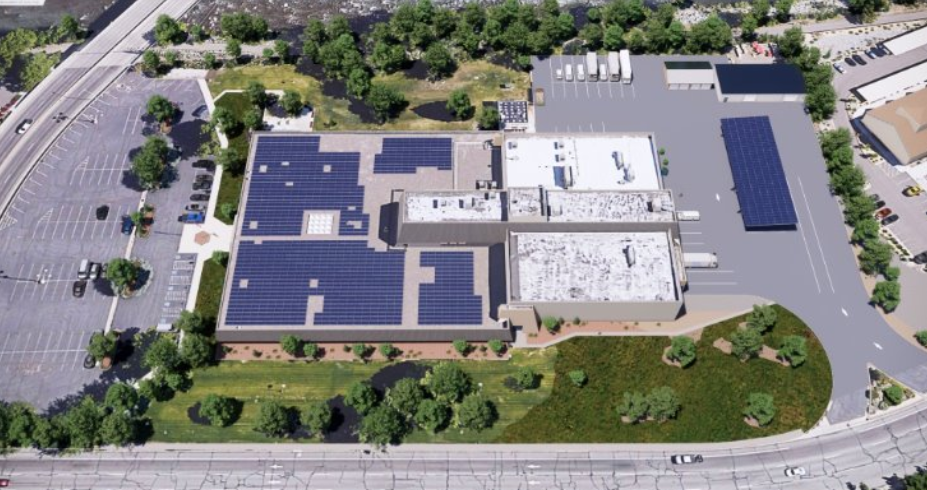
Quantifying the Resilience Value of Solar Plus Storage in Reno

Co-PICommunity resilienceSolar + storage

This project quantified the resilience contribution of solar-plus-storage systems for communities and critical infrastructure. It linked resilience valuation to energy-performance planning and supported transferable methods for city- and county-scale applications.