
Research
Agricultural Pest Management
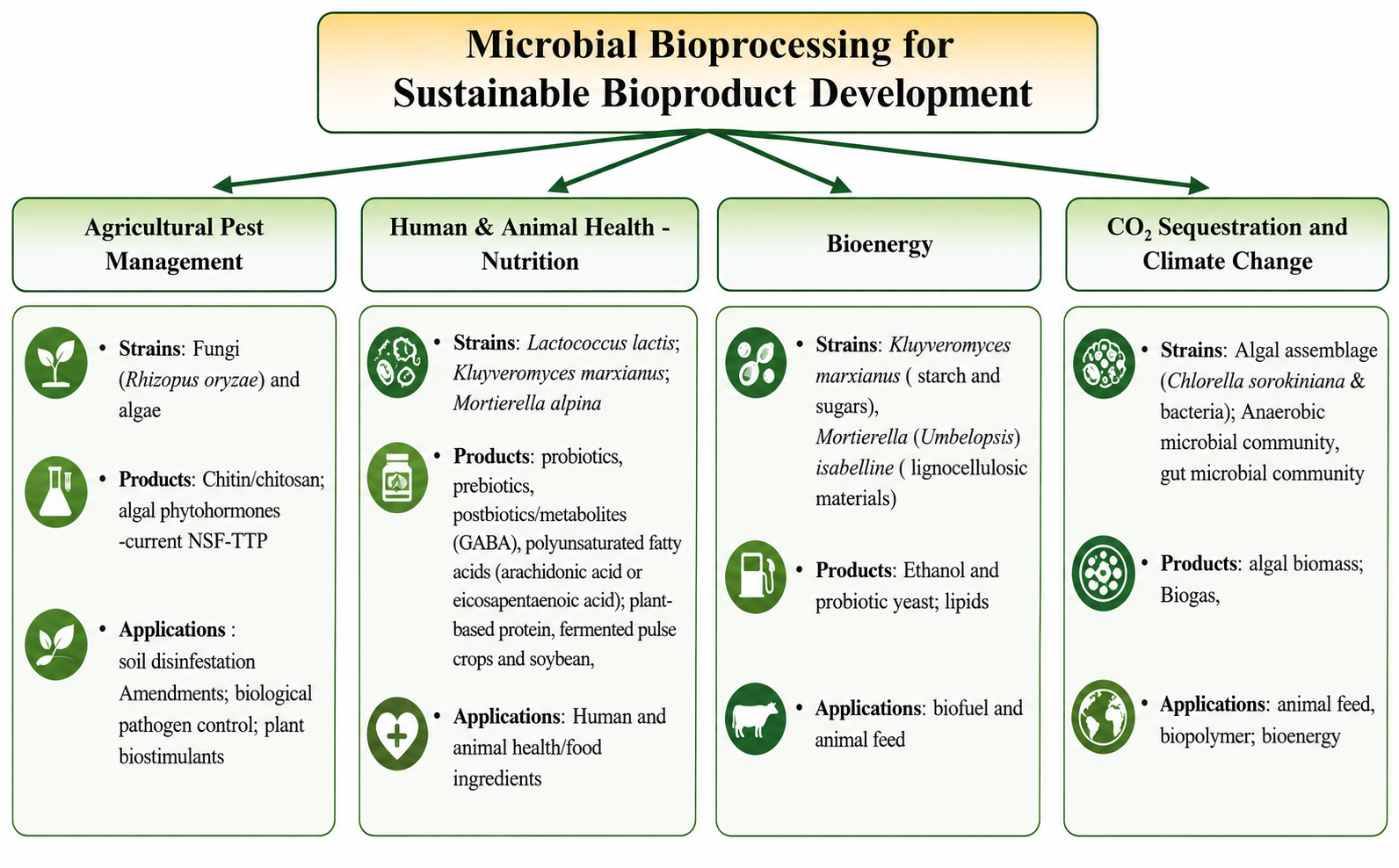
My research group develops microbial-based approaches for sustainable agricultural pest and disease management. We investigate fungi, particularly Rhizopus oryzae, as well as algae as renewable sources of chitin, chitosan, phytohormones, and other bioactive compounds. Our research explores how these microbial-derived products and biomass can be incorporated into agricultural systems as soil amendments and biological alternatives to conventional pest-management practices. In particular, we are interested in their potential for soil disinfestation, biological pathogen control, and plant growth promotion. Through this work, we aim to develop environmentally friendly strategies that support plant health and sustainable crop production.
Human & Animal Health and Nutrition
My research group investigates microbial processes for developing functional food and feed ingredients that can contribute to human and animal health and nutrition. We work with microorganisms such as Lactococcus lactis, Kluyveromyces marxianus, and Mortierella alpina to produce a range of value-added nutritional products. These include probiotics, prebiotics, postbiotics and microbial metabolites such as GABA, as well as polyunsaturated fatty acids such as arachidonic acid and eicosapentaenoic acid. We are also interested in microbial fermentation of plant-based proteins, particularly pulse crops and soybean, to develop innovative food and feed ingredients. Our goal is to integrate microbial fermentation and bioprocessing to enhance the value and functionality of agricultural products.
.png)
Bioenergy
My research group develops microbial bioprocesses for converting renewable agricultural resources into fuels and other value-added products. We investigate microorganisms such as Kluyveromyces marxianus and Mortierella (Umbelopsis) isabellina for the utilization of starch, sugars, and lignocellulosic materials. Our research focuses on the production of ethanol, probiotic yeast, and microbial lipids while seeking opportunities to utilize both the primary products and coproducts generated during bioprocessing. By integrating biofuel production with value-added applications such as animal feed, we aim to improve resource utilization and the overall sustainability of bioenergy systems.
CO₂ Sequestration and Value-added Utilization
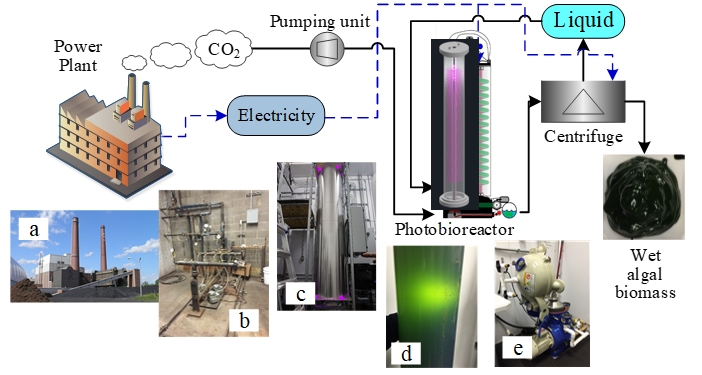
My research group explores microbial and algal systems for CO₂ sequestration, resource recovery, and the production of value-added bioproducts. A major focus is the development of algal-bacterial assemblages, including systems involving Chlorella sorokiniana and associated bacteria, as well as anaerobic and other microbial communities. These biological systems provide opportunities to capture and utilize carbon while generating useful products such as algal biomass and biogas. We further investigate value-added applications of these products in animal feed, biopolymers, and bioenergy. Through this integrated approach, we seek to connect carbon utilization with sustainable bioprocessing and the development of useful products from renewable biological resources.
Multi-Omics Systems Biology for Understanding Environmental Controls on Microbial Community Function and Metabolic Networks
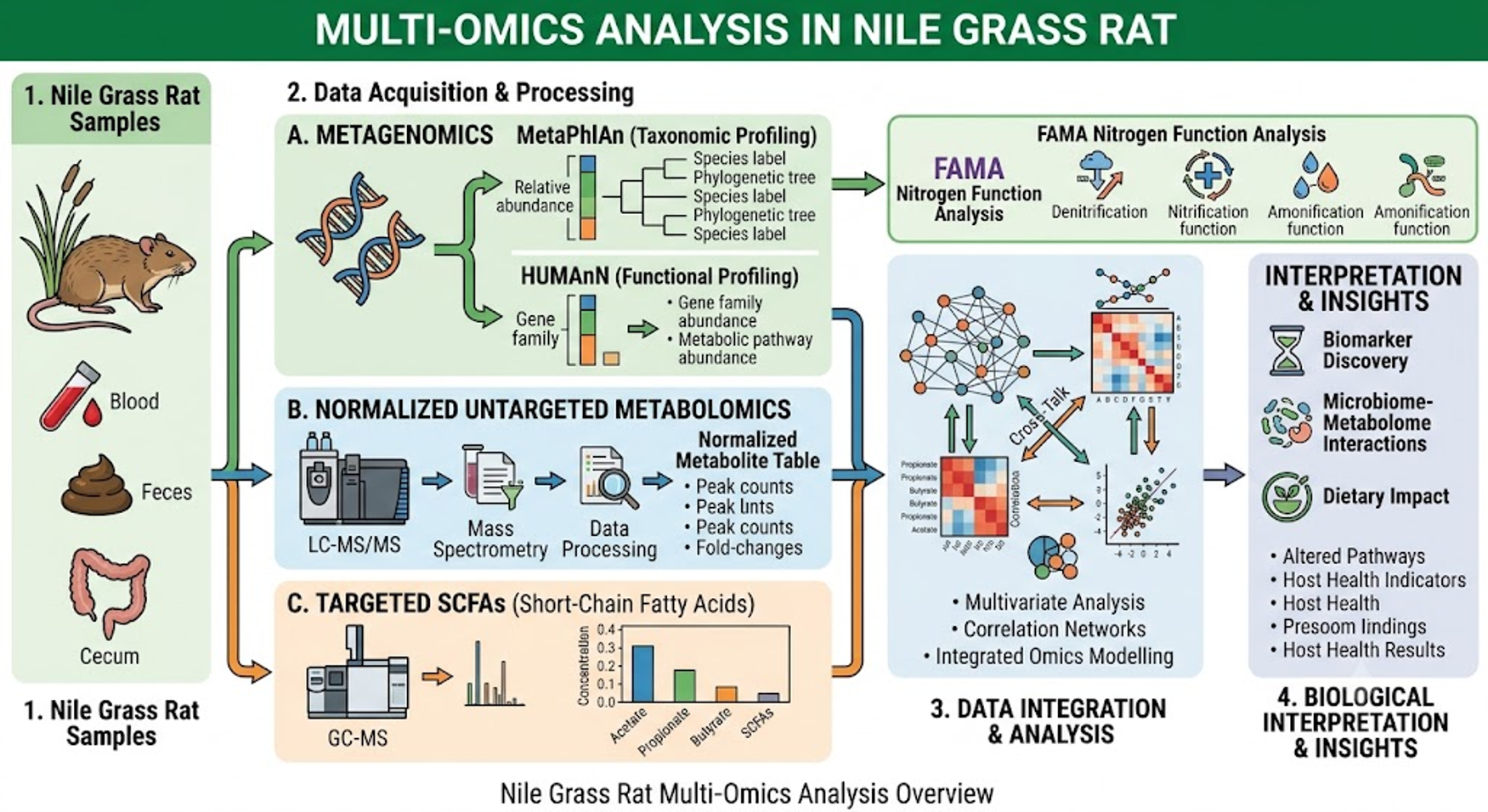
My research group integrates metagenomics, metabolomics, and computational network modeling to understand how environmental factors shape microbial community structure, functional potential, and metabolic activity. We study diverse microbial ecosystems, including gut, soil, algal, and anaerobic digestion systems, to uncover relationships among microbial taxa, genes, metabolic pathways, and metabolites. By integrating these multi-omics data, we seek to identify the mechanisms that regulate nutrient cycling, host-microbe interactions, and microbial community functions that influence bioprocess performance. Ultimately, our research aims to develop predictive models that enable biomarker discovery, characterization of key metabolic pathways, and the design and optimization of microbiome-based interventions and engineered microbial systems.
Research Grants:
- Advanced Processing Platform for High Protein Foods. PI: Liu, Y., Co-PI Saffron, C. and Liao, W. Source of Support: DOE. Total Award Amount: $ 1,832,997, Award Period: 9/01/2026-8/31/2029
- Evaluation of scaling up lactose yeast fermentation and its by-products-Year 2. PI: Liu, Y. Source of Support: BASF. Total Award Amount: $180,973, Award Period: 1.01/2026-12/31/2026
- Production of probiotic animal feed from soybean. PI: Liu, Y. Source of Support: Michigan Soybean Committee. Total Award Amount: $12,500, Award Period: 11.01/2024-9/30/2025
- Evaluation of scaling up lactose yeast fermentation and its by-products. PI: Liu, Y. Source of Support: BASF. Total Award Amount: $186,345.9, Award Period: 1.01/2024-12/31/2025
- Demonstration of phage-enhanced biological and electrochemical processes to produce green ammonia fuel from blackwater. PI: Liao, W., Co-PI Liu, Y. Source of Support: DOD. Total Award Amount: $503,583, Award Period: 7.01/2023-2/28/2025
- Biological hydrogen methanation (BHM) of enhancing anaerobic digestion of methane production. PI: Liao, W., Co-PI: Liu, Y. Source of Support: Linde Inc. Total Award Amount: $318,528, Award Period: 12/15/2024 - 12/15/2026
- Effects of the PLAZER RF pretreatment technology on anaerobic digestion of dairy manure and corresponding soil quality. PI: Liao, W., Co-PI Liu, Y. Source of Support: USDA. Total Award Amount: $280,000, Award Period: 9.28/2022-9/30/2026
- Production of pet food from legume crops and hemp seeds. PI: Liu, Y. Source of Support: MTRAC. Total Award Amount: $100,000, Award Period: 6.01/2022-5/31/2023
- Production of vegan cat food from pulse crops and hemp seeds. PI: Liu, Y., Co-PI Liao, W. Source of Support: MTRAC. Total Award Amount: $24,918, Award Period: 6.01/2021-12/31/2021
- Investigation of the effects of a probiotic yeast soybean/sugar beet based feed supplement on equine metabolic and gastrointestinal microbiome health. PI: Manfredi, J., Co-PI Liu, Y. Source of Support: Michigan Alliance for Animal Agriculture. Total Award Amount: $24,966, Award Period: 6.01/2021-5/31/2022
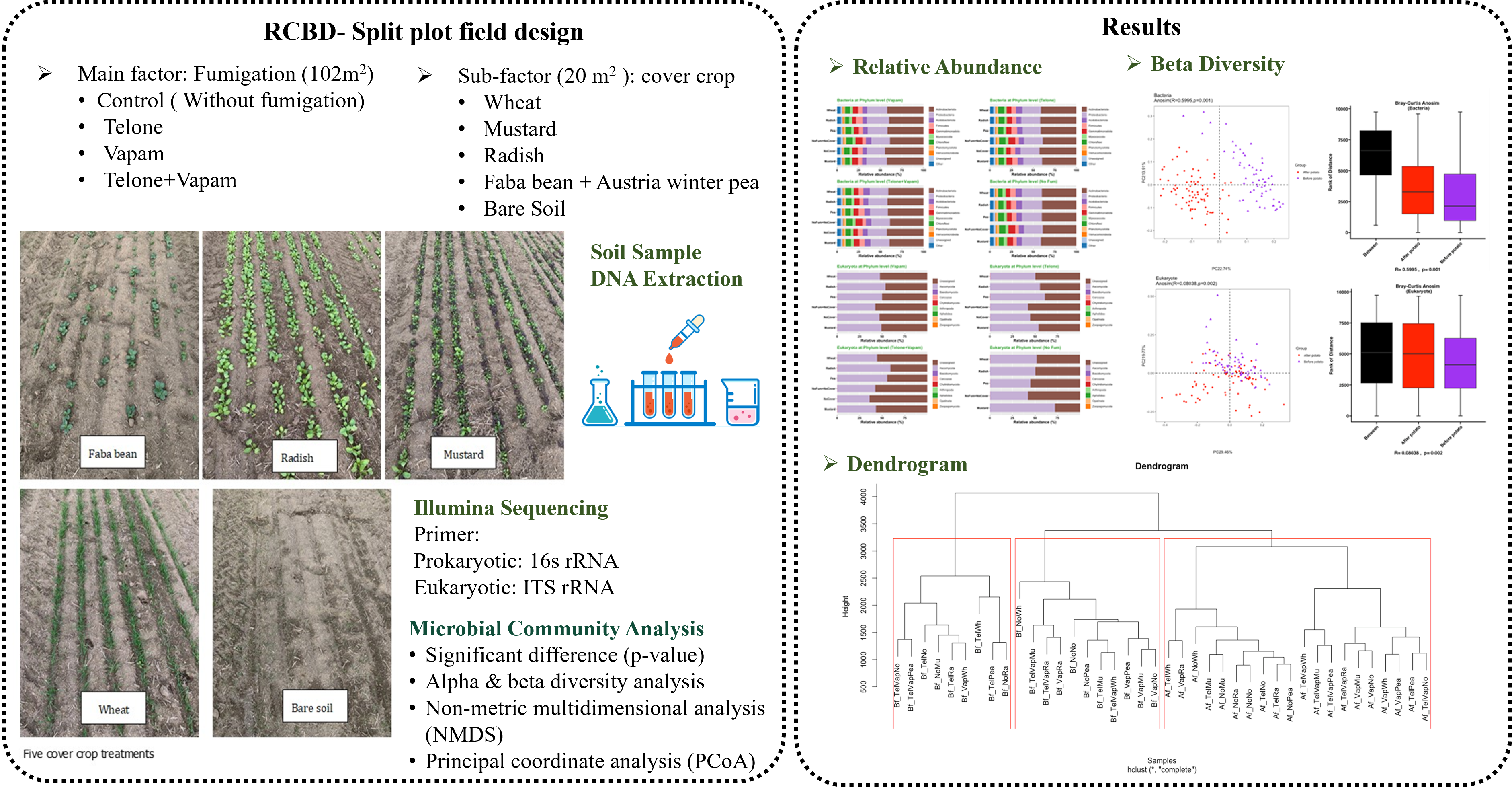
- A cost-effective and efficient approach for quantification of microbial community shift in chitin amended soil ( 2nd year field tests) PI: Lu, R., Co-PI: Liu, Y., Long, C. Source of Support: USDA ARS. Total Award Amount: $37,000, Award Period: 5.01/2020-5/31/2023
- A cost-effective and efficient approach for quantification of microbial community shift in chitin amended soil. PI: Lu, R., Co-PI: Liu, Y., Long, C. Source of Support: USDA ARS. Total Award Amount: $49,002, Award Period: 5.01/2019-5/31/2020
- Investigating Causes and Control of Foaming in Rim Guard Tire Ballast Products. PI: Liu, Y. Source of Support: Small Company Innovation Program (SCIP). Total Award Amount: $80,000, Award Period: 5/01/2018-2/28/2019
- A Combined Biological and Chemical Flue Gas Utilization System towards Carbon Dioxide Capture from Coal-fired Power Plants PI: Liao, W., Co-PI: Liu, Y., Smith, M., Wilson, A. Source of Support: Department of Energy. Total Award Amount: $999,976, Award Period: 1/01/2018-12/31/2020
- Evaluations of probiotic sugar beet ferment on chick and weaning pig gut health and growth performance. PI: Liu, Y., Co-PI: Rust, S., Rozeboom, D. Source of Support: Agriculture and Agribusiness Institute (AABI). Total Award Amount: $5,000, Award Period: 5/01/2017-2/25/2018
- Development of microbial strategies to enhance anaerobic acidification of agricultural residues. PI: Liu, Y. Source of Support: HELEE LLC. Total Award Amount: $33,471, Award Period: 9/01/2015-2/25/2018
- Biological Management of Nematode-Virus And Nematode-Fungal Complexes In Fruit Crops. PI: Schilder, A., Co-PI: Shane, W., Melakeberhan, H., Longstroth, M., Liu, Y. Source of Support: USDA Total Award Amount: $479,614, Award Period: 9/1/2016-8/31/2019
- Integrated Thermo-Bio-Conversion of Agricultural Residues for Bioenergy and Value-added Fertilizer production. PI: Liao, W., Co-PI: Saffron, C., Liu, Y. Source of Support: HELEE LLC. Total Award Amount: $67,009, Award Period: 6/25/2015-2/28/2016
- Feasibility of Using Sugar Beet Pulp to Produce Chitosan as A high-Value Bioactive Agent for Food and Agriculture Applications. PI: Liu, Y. Source of Support: MDARD, Total Award Amount: $67,976. Award Period: 05/1/2014-07/31/2015
- Towards Sustainable Animal Agriculture: an Integrated Wet Scrubber and Algal Cultivation System for Air Emission Mitigation and Value-Added Products. PI: Powers, W., Co-PI: Li, Q., Liu, Y., Rozeboom, D., Liao, W. Source of Support: USDA - National Institute of Food and Agriculture, Total Award Amount: $150,000, Award Period: 9/1/2013 - 8/31/2016
- Evaluating Micro-bubble facilitated electrocoagulation-flotation (ECF) Technologies for cost-effective treatment of wastewater from anaerobic digestion. PI: Liu, Y. Source of Support: Beijing DQY Agricultural Technology Co. Ltd, Total Award Amount: $243,559, Award Period: 11/01/2012-5/31/2016
- First Generation of Controlled-Release Bacteriocins/Anti-microbials. PI: Liu, Y. Source of Support: DOD via Metna Co (Subcontract). Total Award Amount: $ 32, 998. Award Period: 2/1/2012-6/30/2012
- Effects of Sino Enzyme on Wet Milling Corn Starch Production. PI: Liu, Y. Source of Support: Baiyin Sino Bio-Science Co. Ltd, Total Award Amount: $ 40,000, Award Period: 1/1/2012-12/31/2012
- Development Tools for Sustainable Waste Biomass to Energy in Michigan. PI: Safferman, S., Co-PI: Liu, Y., Kirk, D. Source of Support: Michigan Energy Office. $25,054, Award Period: 1/3/2012-8/22/2012
- Using fecal sludge for butanol fermentation via a genetically engineered fungal species. PI: Liu, Y. Source of Support: The Bill & Melinda Gates Foundation via Washington University in St. Louis (subcontract). Total Award Amount: $ 30,000, Award Period: 11/1/2011-12/31/2012
- Improving energy efficiency and generating high-value co-products from an integrated small-scale animal manure management system. PI: Liao, W., Co-PI: Engeda, A., Liu, Y., Safferman, S., Stevenson, J. Source of Support: Michigan Public Service Commission. Total Award Amount: $1,538,306, Award Period: 10/01/2008-11/30/2010
- Developing Biological Process to Treat Feedstock for Cellulosic Ethanol Biorefining. PI: Liao, W., Co-PI: Liu, Y. Source of Support: Cornell University Department of Transportation. Total Award Amount: $99,971, Award Period: 6/1/2008 - 5/31/2010