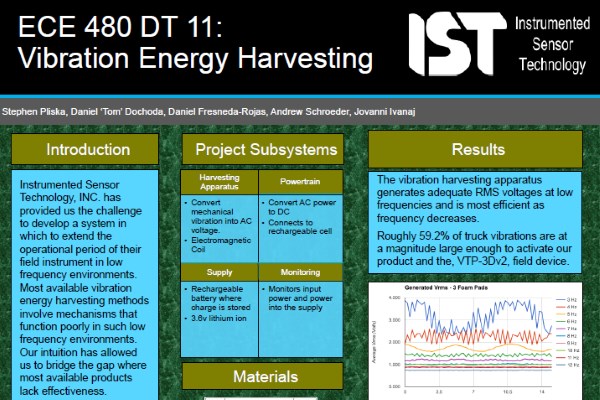
Instrumented Sensor Technology, INC, has provided us the challenge to develop a system in which to extend the operational period of their field instrument. This device is designed to operate within the trailer of a commercial shipping vehicle, which provides substantial vibration at low frequencies. Most available vibration energy harvesting methods involve mechanisms that function poorly in such low frequency environments. Our resourcefulness has allowed us to bridge the gap where most available products lack effectiveness.
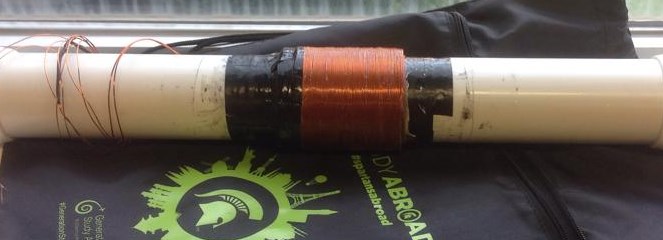
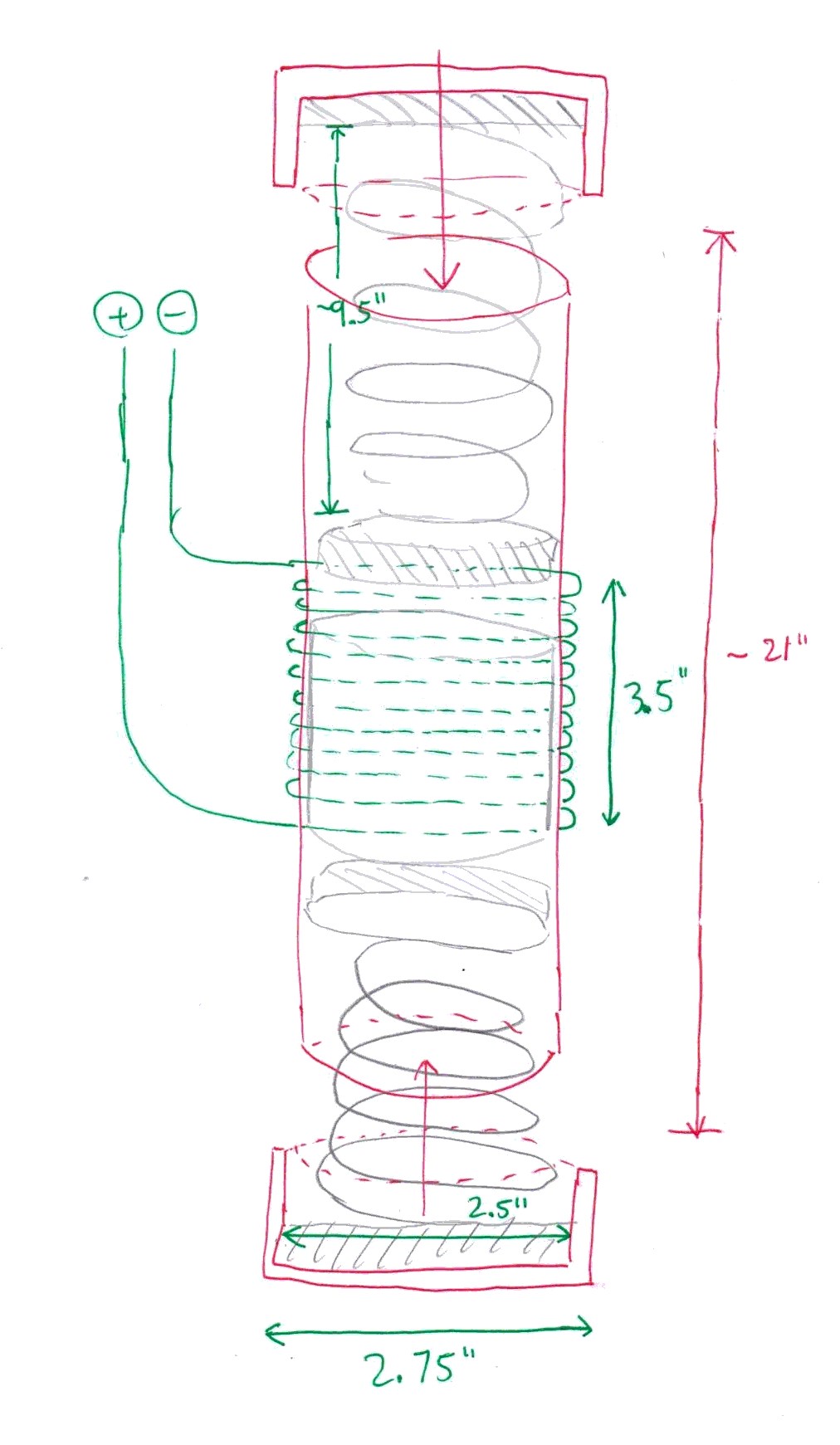
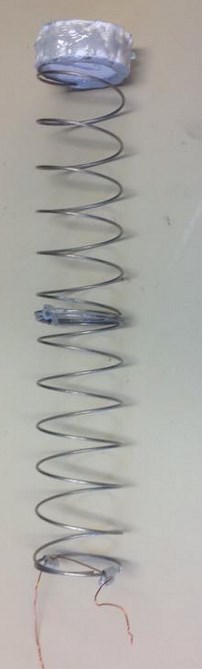
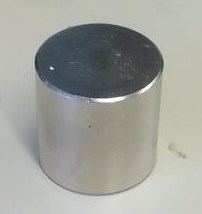
The vibration harvester produces an AC voltage caused by electromagnetic induction due to a changing magnetic field. Our design suspends a magnet between two springs which oscillate when a vibration occurs. Data obtained from IST specifies that the typical frequencies of vibration present in a shipping truck trailer are below 10 Hz. In order to maximize the amount of energy generated, our design resonates at around 4Hz.
The powertrain subsystem converts the AC voltage produced by the vibration harvester into a DC voltage that is large enough for the supply and monitoring components to use. Our design involves the use of a bridge rectifier and a boost converter which efficiently provide sufficient voltage for the other subsystems.
The supply subsystem regulates the voltage from the powertrain to a suitable level for battery charging and to supply power to IST's field instrument. In order to convert the potentially high voltages produced by the powertrain the supply component uses a buck converter. This component includes a rechargeable lithium-ion battery for storage of any excess energy that is produced.
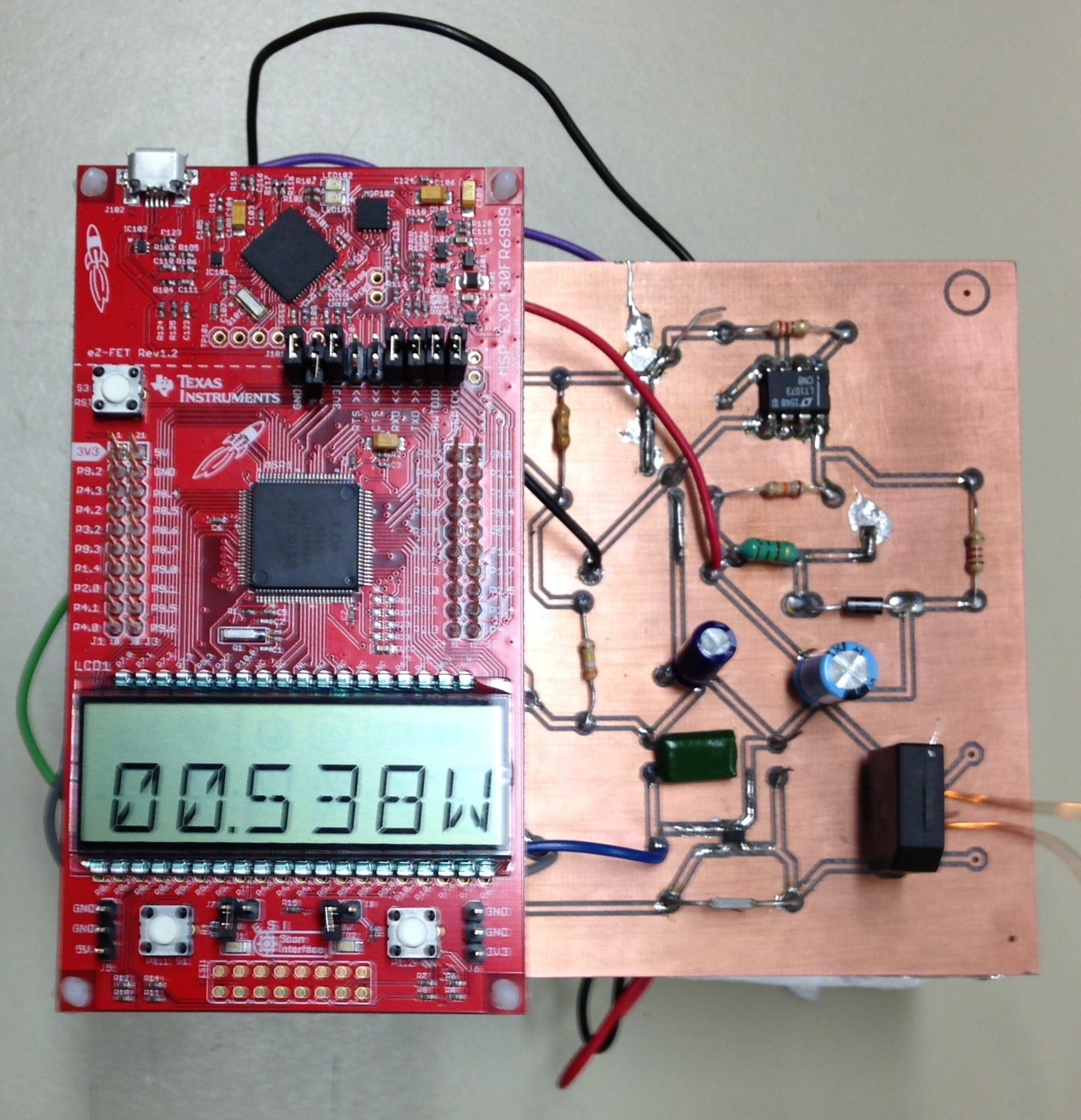
The monitoring component measures the power output and efficiency of the system as a whole. This component utilizes a microcontroller which measures the current and voltage coming out of the powertrain and the supply subsystems and compare them. Using basic calculations the microcontroller can calculate the efficiency and power output of the whole system using these measurements.
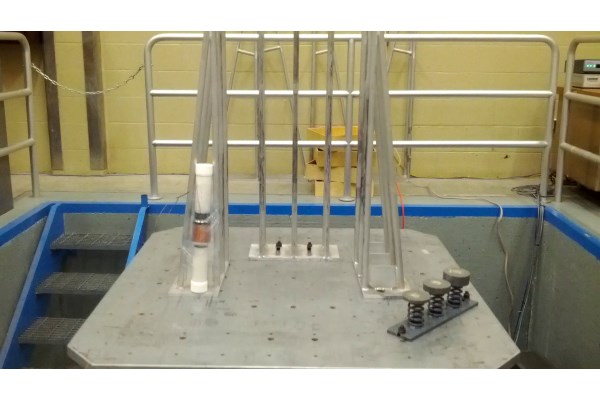
We performed various tests in order to prove the functionality of our design and its ability to harvest energy from vibrations. Here are two of our most important results.
5 minute random standardized ISTA simulation of a truck environment
4Hz vibration test at a g-force of 1g

We deeply appreciate the opportunity you have provided for us, the welcoming and assistance of the faculty, and especially Greg Hoshal for his guidance and support of our creativity towards tackling one of the industry's ongoing projects from the beginning.

We would like to thank Aaron Walworth, Patrick McDavid, and Alyssa Harben at the MSU School of Packaging. Each one of you were very receptive to our team's interest in the lab and we really appreciate your ability to find time to help us to test our device, those tests made all the difference.
We would like to thank our faculty facilitator, Dr. Xiaobo Tan, for his willingness to assist us in our product's quality development and his analytic capability that provided additional guidance throughout the design process.
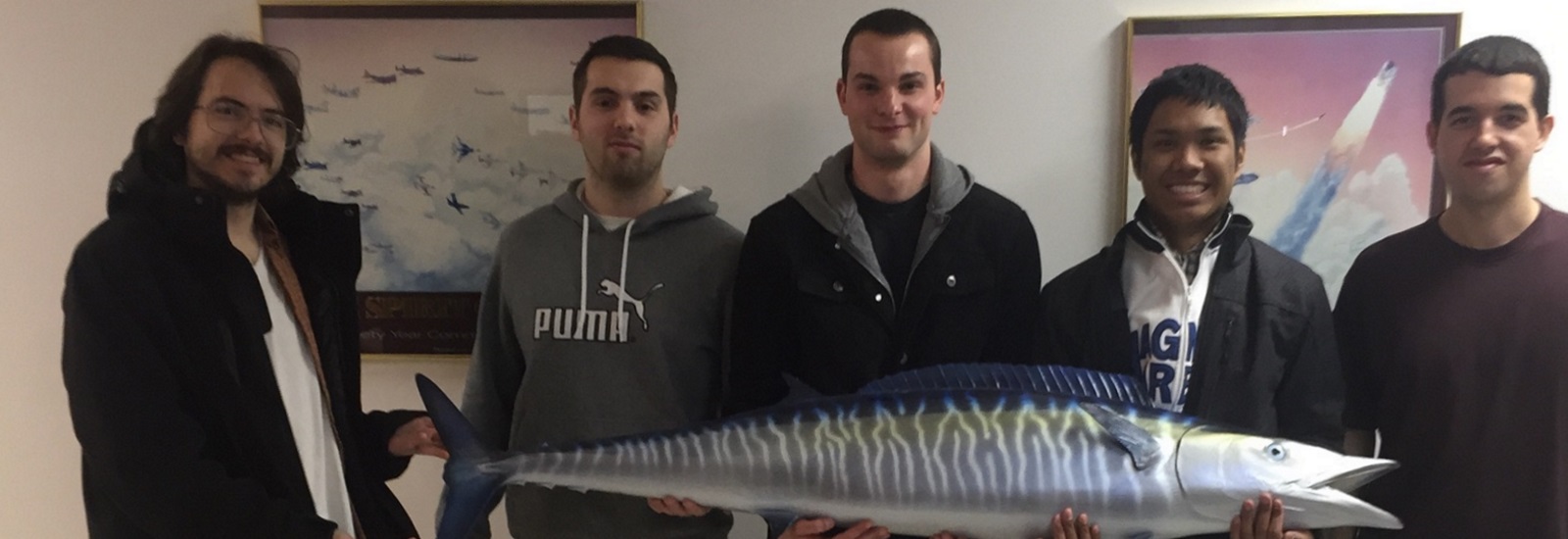
Electrical Engineering
Electrical Engineering
Computer Engineering
Electrical Engineering
Computer Engineering