
What we do?
LED Sensor
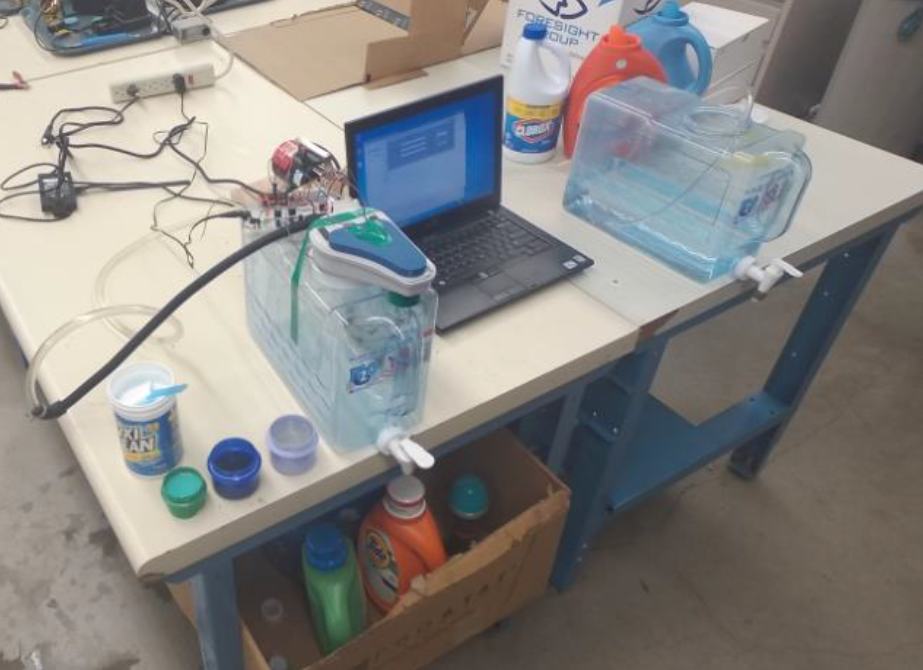
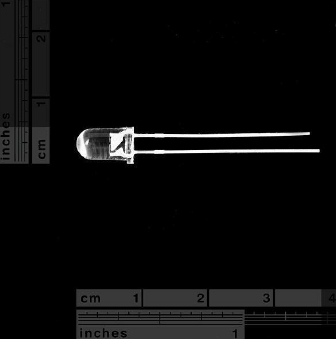
Our sensor design concepts are focused on emitting light through the contents in the dispenser cups and allowing the receiver to detect the different light intensities based on different types of wash process chemicals. Four sensing concepts were investigated and improved to distinguish between three liquids: bleach, detergent, fabric softener, and a powdered detergent. Infrared Sensor and Super bright white LED sensor were implemented in the first stage of our sensor development plan. Implementation of a RGB LED sensor and a variation of LEDintensity using Pulse-Width Modulation were followed to find the specific color and intensity of light needed to optimize sensing results. The tailored voltage requirements were met using an integrated multi-stage design.
Microcontroller
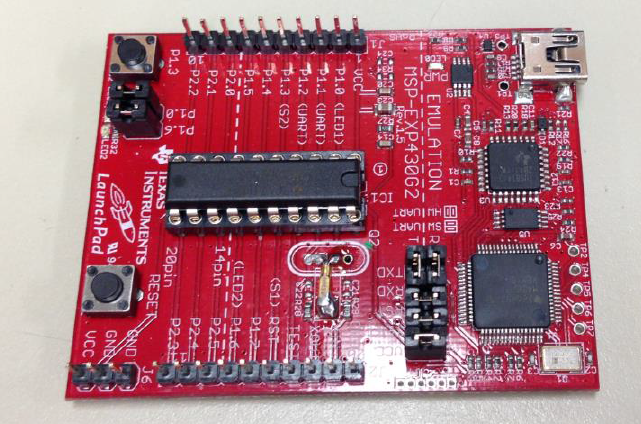
The broad purpose of the microcontroller in the context of a dispenser cup detection sensor is to convert the analog signal from the sensor into a digital value and transmit that value to the control unit of a washing machine. In our case, the control unit of washing machine is a PC application. The computational resources required for the Dispenser Cup Sensor are minimal; hardware, such as a floating point computational unit is not necessary. The sensor requires a device with an Analog-to-Digital converter, a serial communication interface, and timer hardware. The Texas Instrument's MSP430 Launchpad series of microcontrollers satisfied all of the sensor's hardware requirements at a very reasonable price of $0.90 per IC. The specific model decided upon was the MSP430G2553, which offers a 10-bit Analog-to-Digital Converter, serial communication over USB to interface with a PC, and a variety of interrupt-driven timing hardware. An added benefit of the MSP430G2553 is its extremely low power usage.
End-User
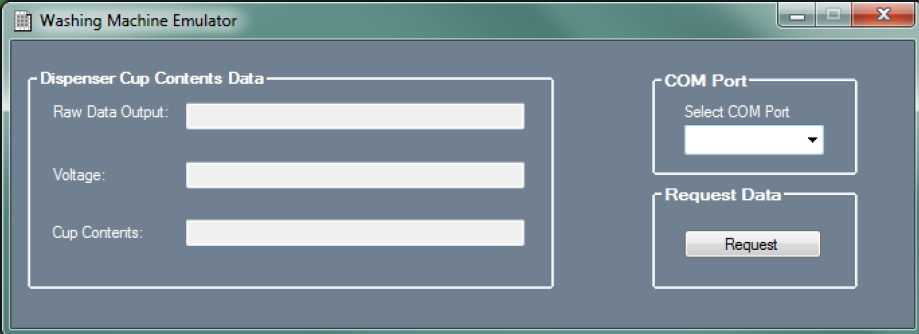
A graphical user interface, also known as a GUI, is needed to emulate a washing machine. The GUI application receives outputted raw information from the microcontroller. Communication between the GUI and the microcontroller must be through serial communication. The application consists of a button that will emulate a washing machine that requests data from the microcontroller. The microcontroller samples voltage readings and outputs the raw data to the application. The raw data is then parsed and converted to a readable voltage. Using the converted voltage value, the GUI predicts the contents of the dispenser cup and displays it in a textbox.
Final System Integration
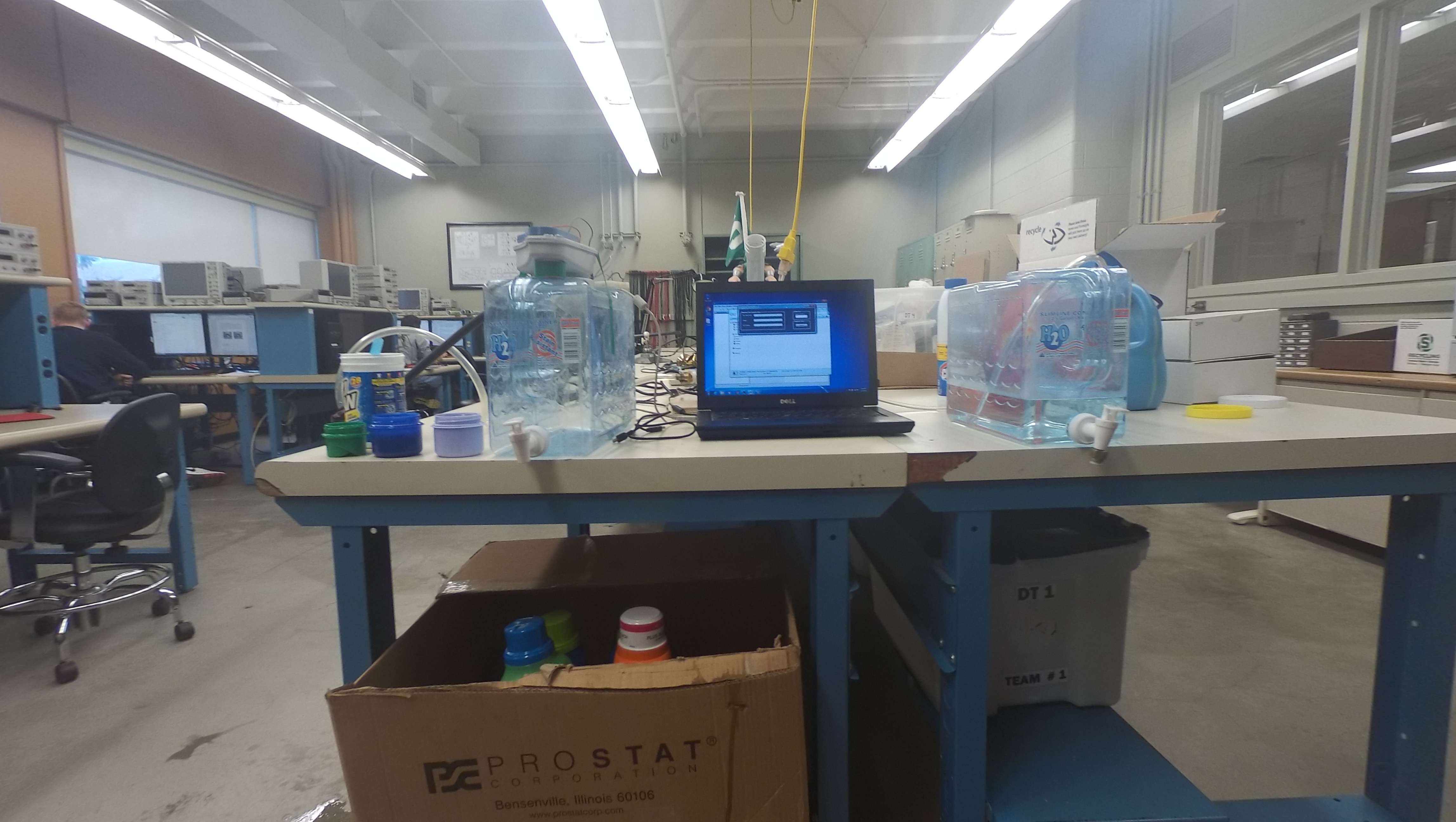
Team Two has succeeded in achieving the Whirlpool goal: to make a sensor system capable of detecting the contents of the dispenser cup of a washing machine, while maintaining a cost of less than $4 per cup. Furthermore, by utilizing the voltage level output approach to discrimination of the type of cleaning agent in use, we were able to exceed the initial design parameters requested by Whirlpool. Our Dispenser Cup Sensor System displays, on a userfriendly graphical user interface, not just the powder, liquid or empty status but also whether the liquid is a detergent, bleach or a fabric softener.