Project Overview
The Michigan State University Adaptive Integrated Microsystems Laboratory (AIM Lab) has developed a sensor that is capable of accurately recording strain levels, requires no maintenance, and is powered exclusively from piezo electricity harvested from vibrations. Access to the sensor’s data allows engineers and researchers to evaluate the current health of a building, road, or other structure. The potential applications for this device are numerous.
Concussions in sports have become a serious area of concern over the last few years, and having the ability to read impact data would prove to be beneficial. Researchers at Michigan State have considered implanting the sensors into athlete's helmets as a tool to accumulate meaningful data. These sensors can measure the impact force a player has received, and can predict if a player has suffered physical harm.
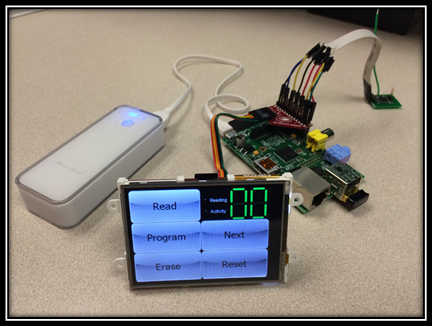
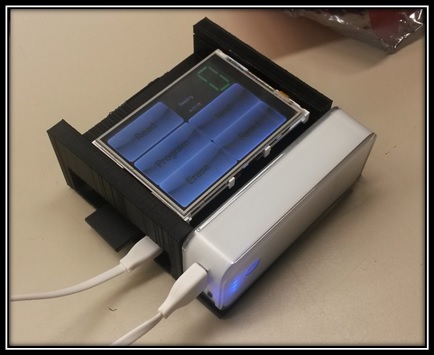
The sensor data is only useful to researchers if it can be extracted and analyzed. The AIM lab developed a method to retrieve the data from the sensor; however it is bulky, impractical, and inefficient. The design team has built a new prototype sensor reader for researchers to use. The reader is a standalone device that requires fewer components and is more practical for real world implementation. The device maintains all functionality of its predecessor, but reduces overall size, improves portability, and promotes future innovation in the research field.
Website © 2013 Yuval Levental, All rights reserved.